RPS Mine — Web3 Game
RPS Mine — Web3 Game
Product Impact Summary
Improved retention and monetization in a Web3 Telegram game by redesigning core gameplay pacing and purchase flows.
Improved retention and monetization in a Web3 Telegram game by redesigning core gameplay pacing and purchase flows.
Retention
~7% → 70%+
Monetization
Removed artificial limits, increased purchase value
Monetization
Removed artificial limits, increased purchase value
Engagement
Faster gameplay aligned with real player behavior
Product: Web3 Telegram Mini App
Role: Product Designer (UI/UX)
Focus: Retention, Monetization, Core Gameplay
Methods: User Research, Behavioral Analysis, JTBD, Iteration
Context
RPS Mine is a Web3 card game based on the classic Rock–Paper–Scissors mechanics. The game runs as a Telegram Mini App and allows players to compete in fast PvP rounds using in-game currency.
The product operates in a highly competitive environment where player retention and monetization directly determine product viability.
RPS Mine is a Web3 card game based on the classic Rock–Paper–Scissors mechanics. The game runs as a Telegram Mini App and allows players to compete in fast PvP rounds using in-game currency.
The product operates in a highly competitive environment where player retention and monetization directly determine product viability.
My Role
Product Designer
I was responsible for end-to-end product UX, including core user flows, onboarding, monetization experience, retention improvements, and post-launch iteration. I worked closely with the product owner, game designer, marketing, and an outsourced development team.
I was responsible for end-to-end product UX, including core user flows, onboarding, monetization experience, retention improvements, and post-launch iteration. I worked closely with the product owner, game designer, marketing, and an outsourced development team.
Key Product Challenges
• Low player retention after the first session
• Low volume of in-game currency purchases
• Monetization mechanics that limited user spending potential
• Low player retention after the first session
• Low volume of in-game currency purchases
• Monetization mechanics that limited user spending potential
🧩 Case 1 — Improving Retention
🧩 Case 1 — Improving Retention
Problem
At the time, the product had a very low retention rate — around 7%.
Most players tried the game once and rarely returned for additional sessions.
At the time, the product had a very low retention rate — around 7%.
Most players tried the game once and rarely returned for additional sessions.
Discovery (Double Diamond — Discover)
I approached the problem using the discovery phase of the Double Diamond framework.
I collected and analyzed qualitative user feedback and reviewed session behavior. A clear pattern emerged: players consistently described the game as slow and not engaging enough.
To better understand the issue, I played multiple rounds myself and compared the in-game experience with the real-world Rock–Paper–Scissors game. In real life, rounds take only a few seconds and results are immediate. In the product, the same action felt noticeably slower.
I approached the problem using the discovery phase of the Double Diamond framework.
I collected and analyzed qualitative user feedback and reviewed session behavior. A clear pattern emerged: players consistently described the game as slow and not engaging enough.
To better understand the issue, I played multiple rounds myself and compared the in-game experience with the real-world Rock–Paper–Scissors game. In real life, rounds take only a few seconds and results are immediate. In the product, the same action felt noticeably slower.
User signals Behavior analysis Key insight
Collect qualitative user feedback
Review session behavior
Compare real vs. in-game experiance
DISCOVER
Game felt slow and not engaging
Outcome
Discovery phase focused on identifying the core engagement issue through user feedback and behavioral analysis.
Discovery phase focused on identifying the core engagement issue through user feedback and behavioral analysis.
Insight & Hypothesis (JTBD thinking)
Using a Jobs-to-be-Done perspective, I identified the core job players wanted to complete:
Using a Jobs-to-be-Done perspective, I identified the core job players wanted to complete:
Make a quick decision, see the result instantly, and move on to the next round.
Make a quick decision, see the result instantly, and move on to the next round.
The key insight was that the round duration broke this expectation.
The key insight was that the round duration broke this expectation.
Hypothesis:
Reducing round duration and increasing interaction dynamics would make gameplay feel more engaging and improve retention.
Hypothesis:
Reducing round duration and increasing interaction dynamics would make gameplay feel more engaging and improve retention.
Solution
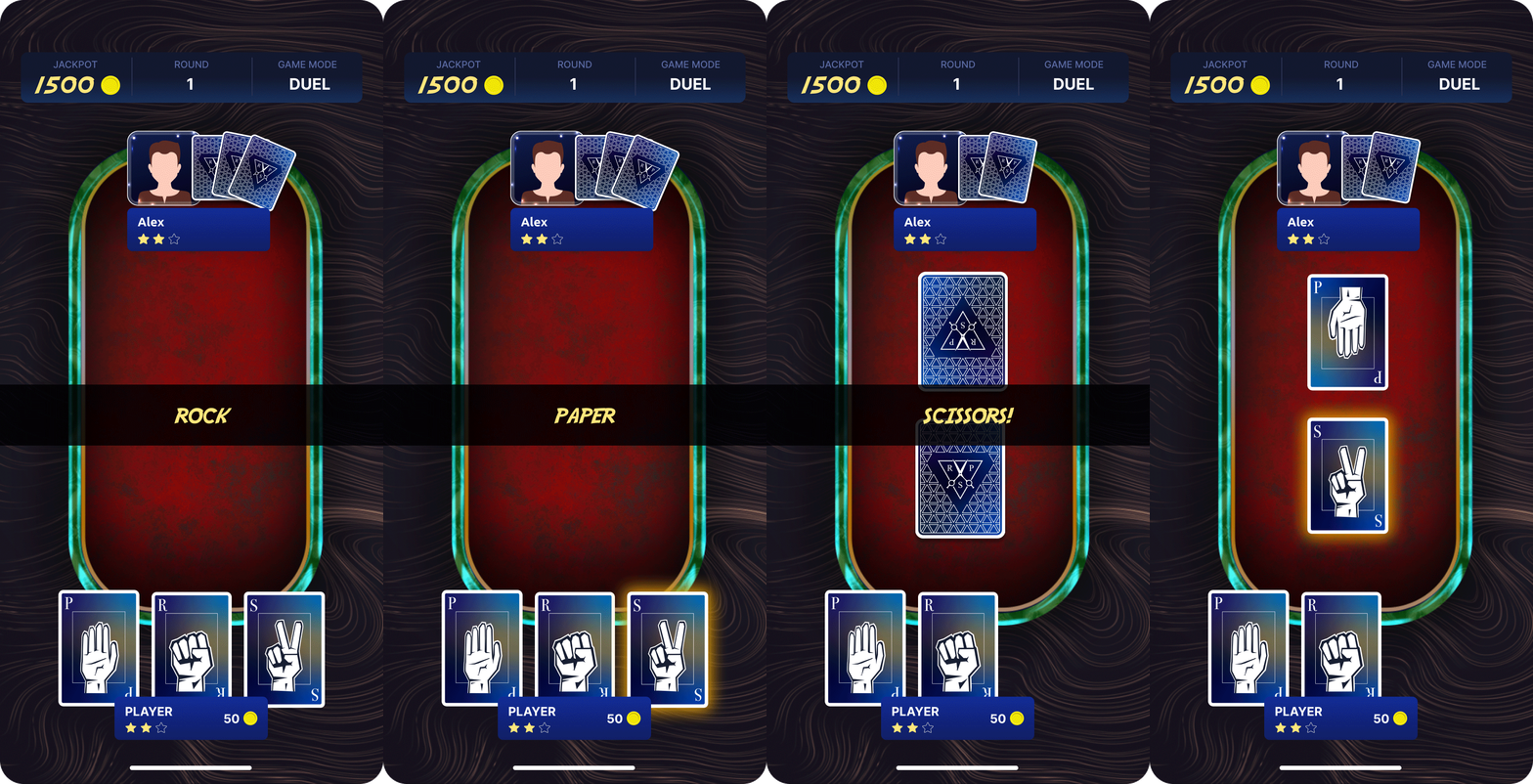
We reduced the round duration from around 10 seconds to approximately 3 seconds. I also introduced simple, lightweight animations to make interactions feel faster and more responsive.
We reduced the round duration from around 10 seconds to approximately 3 seconds. I also introduced simple, lightweight animations to make interactions feel faster and more responsive.
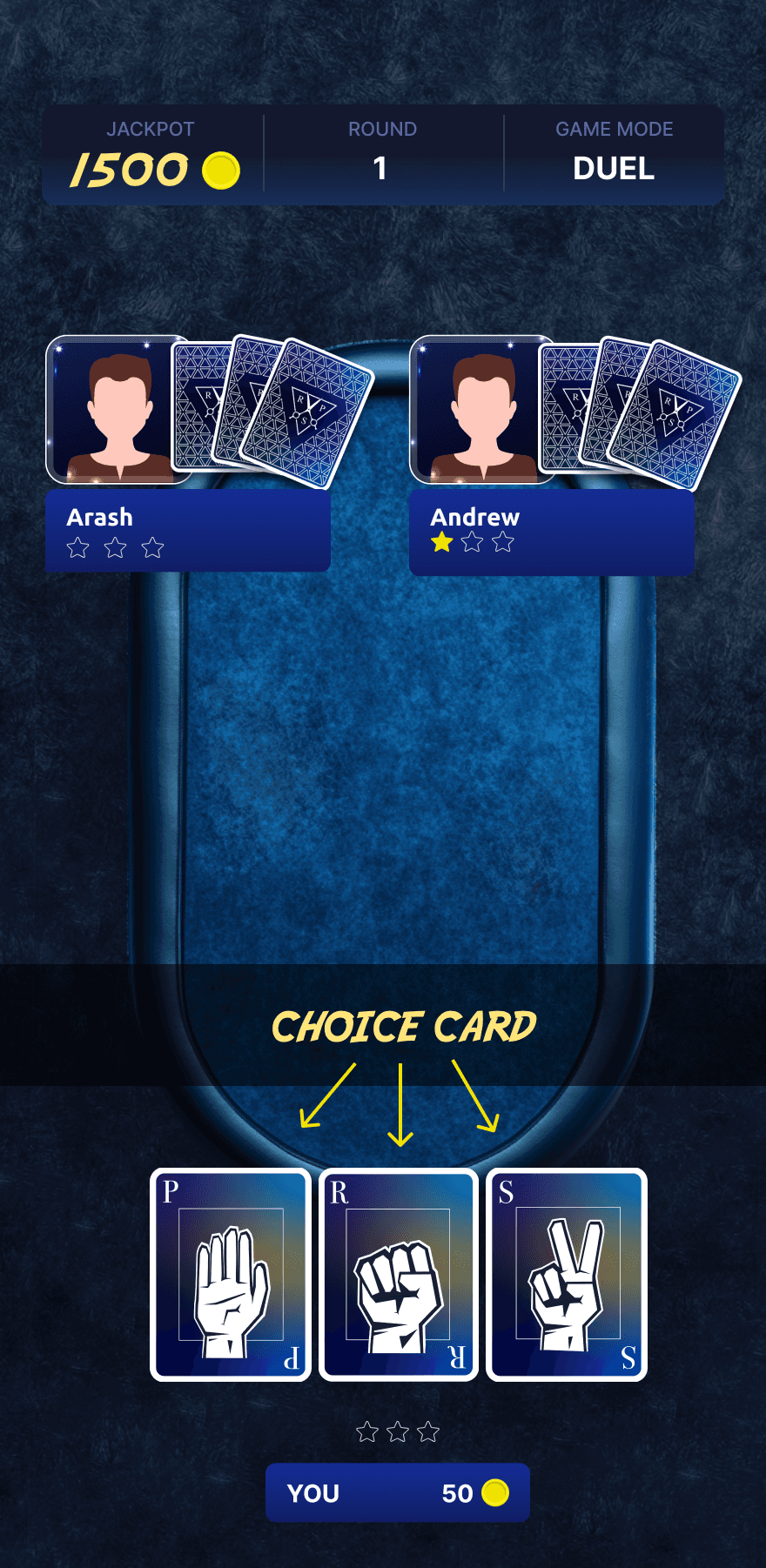
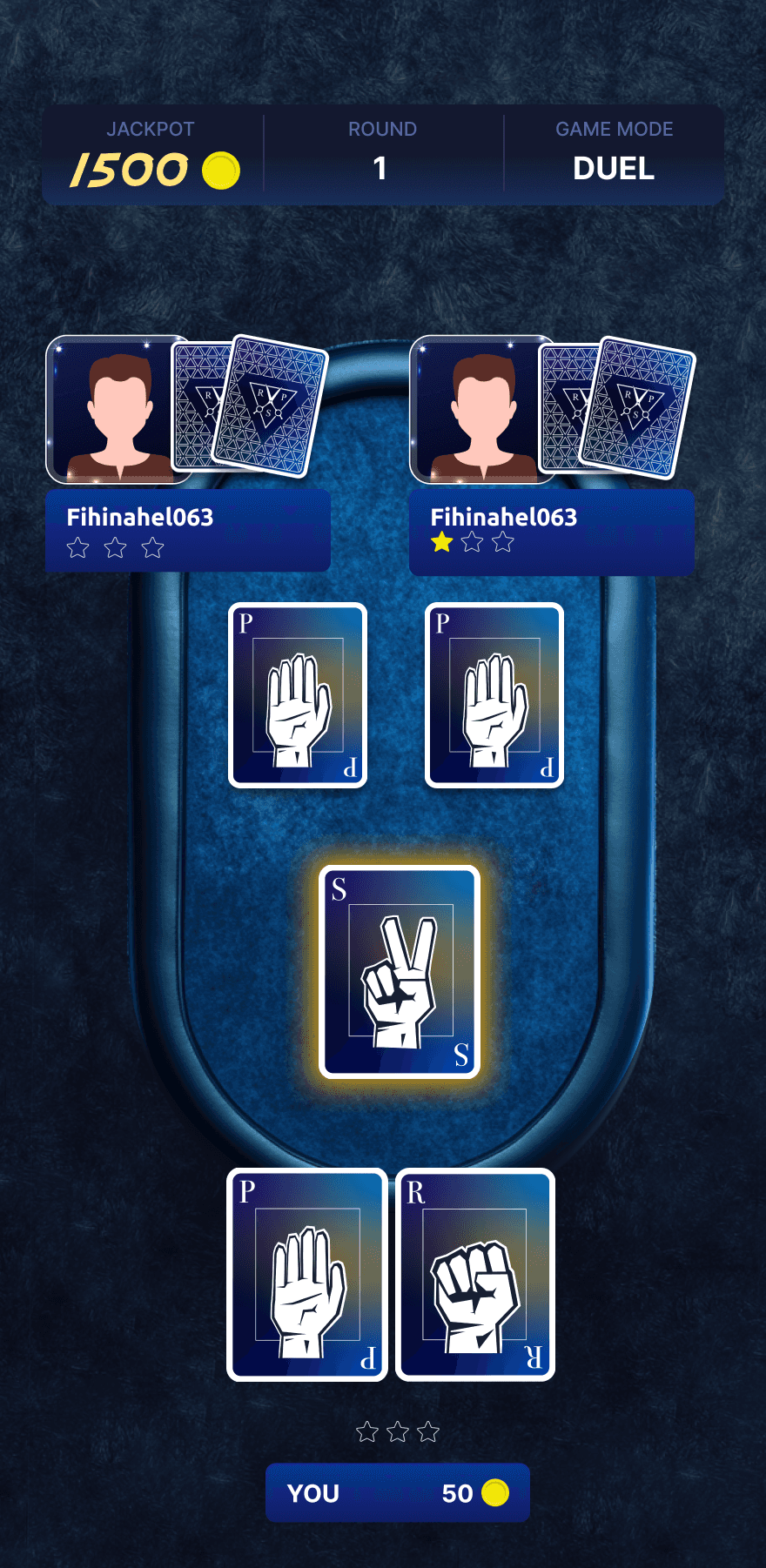
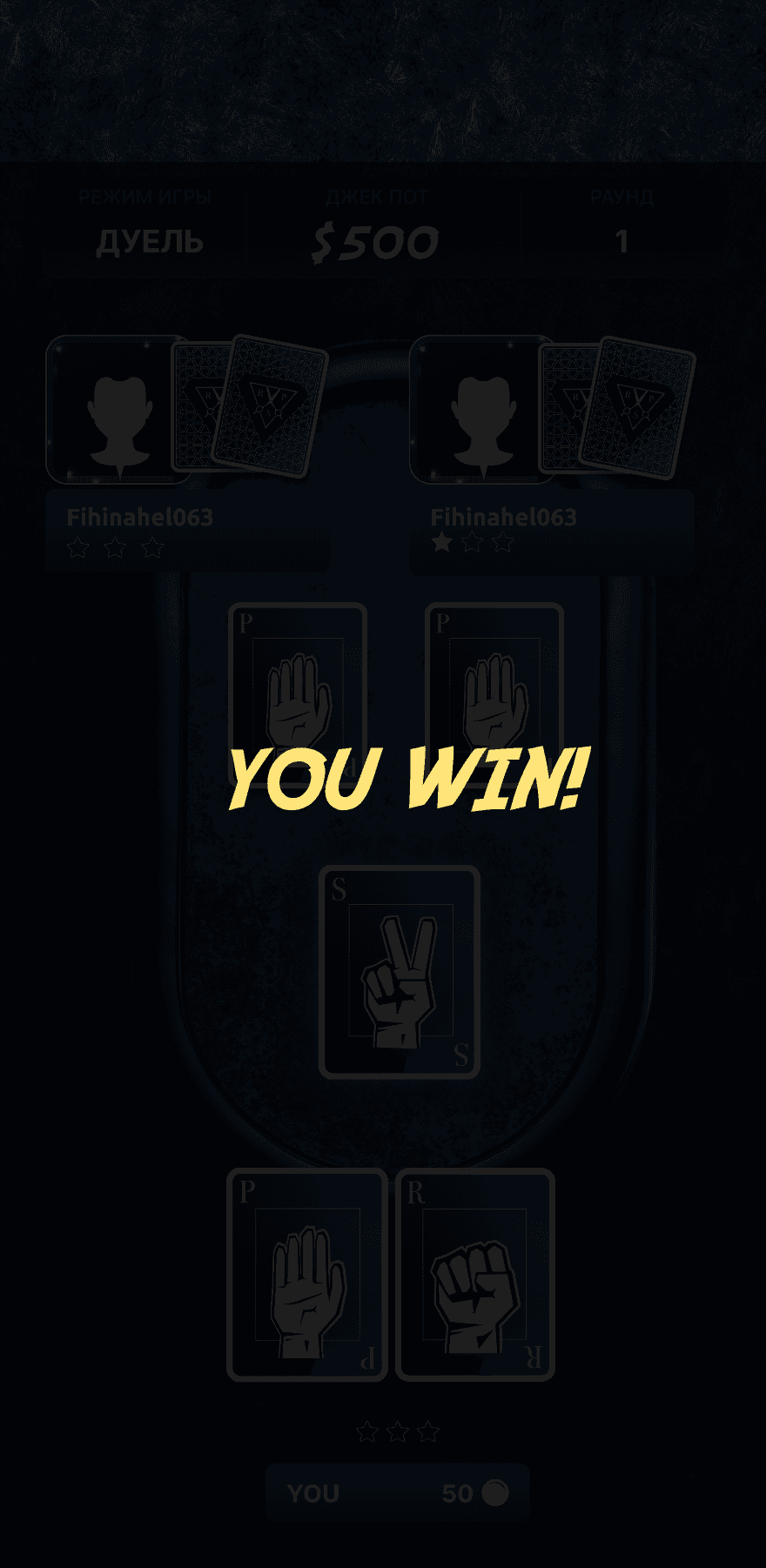
Reducing Round Duration to Improve Engagement
Reducing Round Duration to Improve Engagement
10 sec.
0 sec.
Before — Slow Gameplay (≈10s per round)
Before — Slow Gameplay (≈10s per round)
Long round duration delayed feedback and reduced engagement.
Long round duration delayed feedback and reduced engagement.
3 sec.
0 sec.
After — Fast Gameplay (≈3s per round)
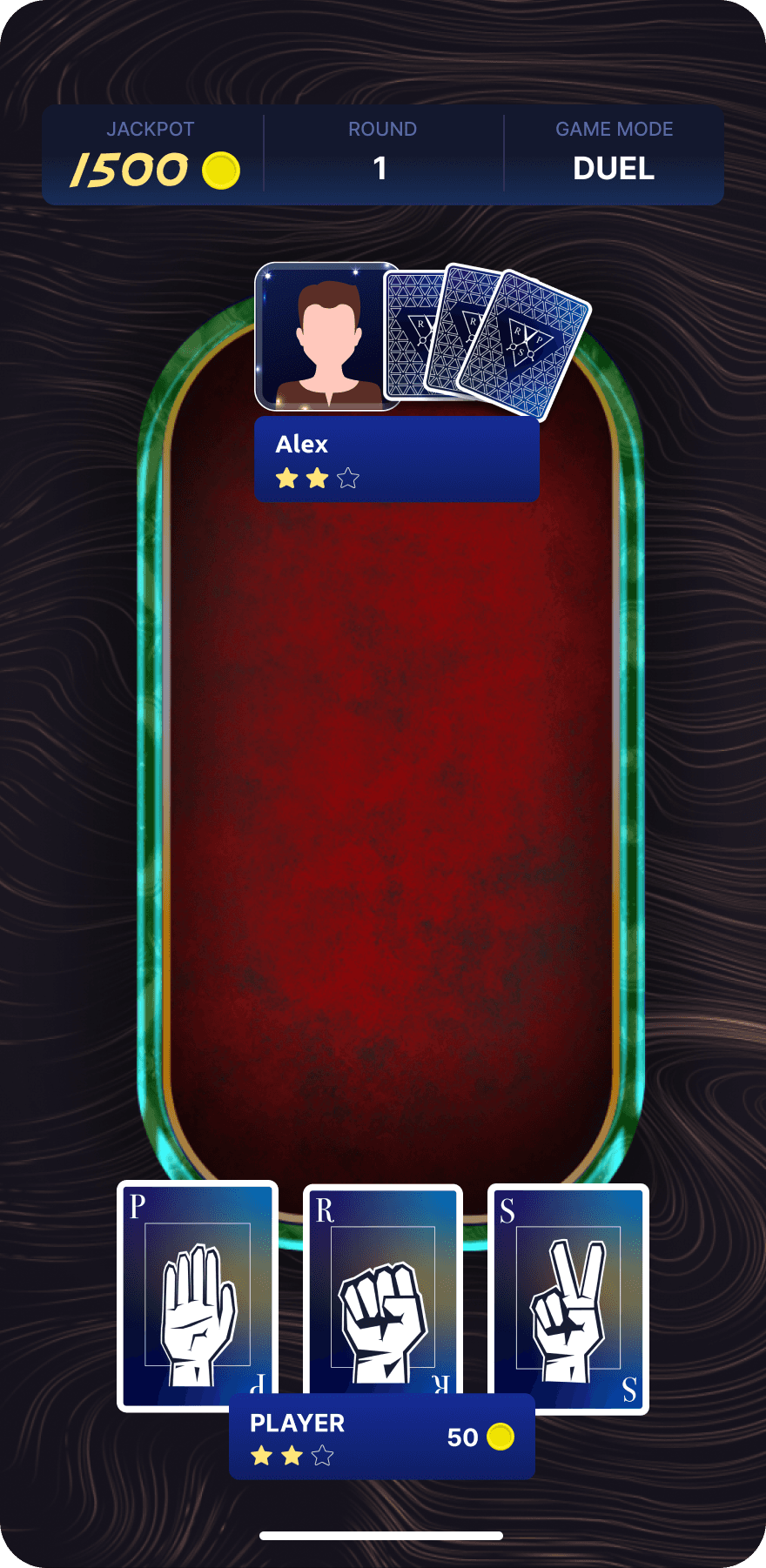
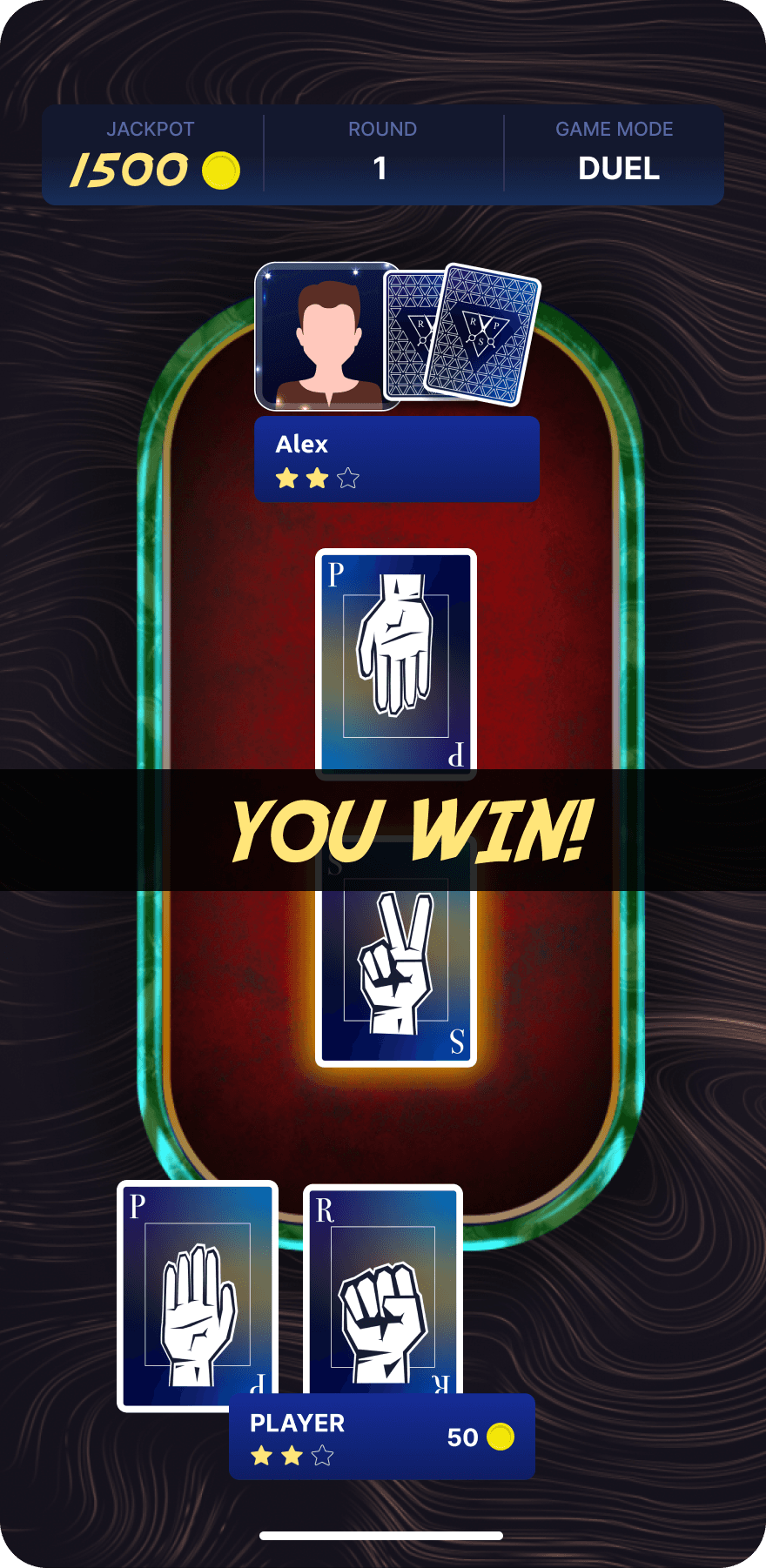
Faster feedback and lightweight animations made interactions feel immediate and more engaging.
Result
After releasing the update, retention increased from ~7% to over 70%. Players began returning to the game more frequently, and overall engagement improved significantly.
After releasing the update, retention increased from ~7% to over 70%. Players began returning to the game more frequently, and overall engagement improved significantly.
🧩 Case 2 — Improving Monetization
Problem
Despite active gameplay, players were purchasing relatively small amounts of in-game currency. Total purchased currency volume for the previous month was around 16K coins, with most users buying the minimum possible amount.
Despite active gameplay, players were purchasing relatively small amounts of in-game currency. Total purchased currency volume for the previous month was around 16K coins, with most users buying the minimum possible amount.
Discovery (Data & Heuristic Analysis)
I analyzed the existing purchase flow. Users selected the amount of in-game currency using a slider limited to 1–10 coins, followed by a confirmation step.
I analyzed the existing purchase flow. Users selected the amount of in-game currency using a slider limited to 1–10 coins, followed by a confirmation step.
Purchase distribution showed a clear pattern:
Most users selected the minimum available amount, indicating a strong bias toward low-value purchases.
Purchase distribution showed a clear pattern:
Most users selected the minimum available amount, indicating a strong bias toward low-value purchases.
The slider created a hard purchase ceiling and implicitly guided users toward minimal spending, without providing context or incentives to choose higher-value options.
The slider created a hard purchase ceiling and implicitly guided users toward minimal spending, without providing context or incentives to choose higher-value options.
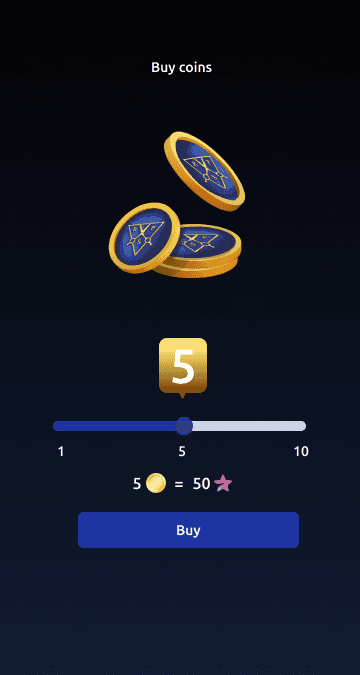
Select amount
Confirm purchase
User Flow
2 Steps Flow
Market Insight (Industry Benchmarks)
To validate whether users were willing to spend more in general, I reviewed industry benchmarks for in-app purchases.
According to public data (AppsFlyer):
• iOS average purchase amount — ~$12.77
• Android average purchase amount — ~$6.19
• Overall average — ~$8.80
Given that 1 in-game coin was priced at $0.10, it became clear that the existing purchase flow significantly underutilized users’ spending potential.
To validate whether users were willing to spend more in general, I reviewed industry benchmarks for in-app purchases.
According to public data (AppsFlyer):
• iOS average purchase amount — ~$12.77
• Android average purchase amount — ~$6.19
• Overall average — ~$8.80
Given that 1 in-game coin was priced at $0.10, it became clear that the existing purchase flow significantly underutilized users’ spending potential.
Hypotheses
• Users are willing to spend more if higher-value purchase options are available
• Users are more likely to buy larger amounts when the value of doing so is clearly communicated (e.g. bonuses)
• Users are willing to spend more if higher-value purchase options are available
• Users are more likely to buy larger amounts when the value of doing so is clearly communicated (e.g. bonuses)
Solution
I proposed replacing the slider-based selection with predefined purchase packages.
I proposed replacing the slider-based selection with predefined purchase packages.
Together with the product owner and marketing, we introduced four packages:
Together with the product owner and marketing, we introduced four packages:
• 10 coins
• 25 coins
• 50 coins
• 100 coins
• 10 coins
• 25 coins
• 50 coins
• 100 coins
To support value-based decision-making, we introduced clear incentives for higher-value packages:
To support value-based decision-making, we introduced clear incentives for higher-value packages:
• a 10% bonus for mid-tier packages
• a 25% bonus for the largest package
• a 10% bonus for mid-tier packages
• a 25% bonus for the largest package
This removed the artificial purchase ceiling and gave users a clear incentive to buy more.
This removed the artificial purchase ceiling and gave users a clear incentive to buy more.
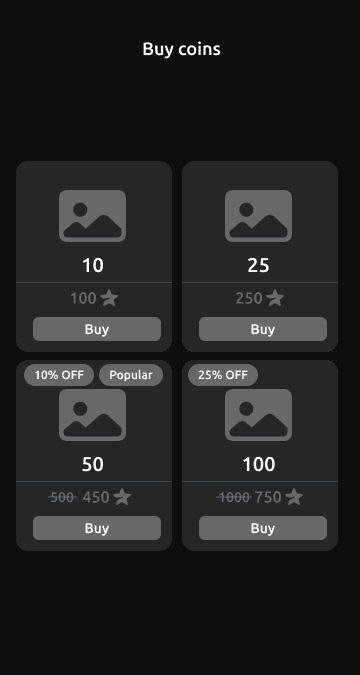
Confirm purchase
Single-step purchase flow
Delivery
I supported the implementation of the solution end-to-end, ensuring the final product matched the intended user experience and business goals before release.
I supported the implementation of the solution end-to-end, ensuring the final product matched the intended user experience and business goals before release.
Result
Within two months after release, total purchased in-game currency increased from ~16K coins to over 220K coins. The new monetization flow significantly increased average purchase value and overall revenue without adding friction to the experience.
Within two months after release, total purchased in-game currency increased from ~16K coins to over 220K coins. The new monetization flow significantly increased average purchase value and overall revenue without adding friction to the experience.
🔑 Key Takeaway
Clear value communication and removing artificial limits can dramatically increase monetization without harming user experience.
Clear value communication and removing artificial limits can dramatically increase monetization without harming user experience.
© 2026 Mark Berladyn. All rights reserved.