MARK BERLADYN
AUTOMOTIVE
B2B PLATFORMP
PRODUCT DESIGNER
2023 — 2024
Ride & Drive
$7,000/month external dependency eliminated. Credit applications fully automated. Sales during promotional campaign doubled.
$7k
$0
Monthly vendor cost
100%
Credit automation
30
80
Cars/day in promo week
4 mo
Hard deadline, hit
THE SITUATION
Four months.
Zero autonomy.
Carconcepts and their Ride & Drive dealer network had four months before their service provider shut down — taking the website, admin system, and all integrations with them.
I mapped everything the outgoing vendor was providing: new pages, location additions, bank integrations for auto loans, test drive forms, credit application forms, trade-in valuations. Monthly cost: ~$7,000.
"This wasn't just a technical dependency — it was a business vulnerability. Every change required going through an external vendor. The business had zero autonomy."

FEATURE 01
No-code
page builder
My first hypothesis: a developer can build a new page in a couple of days — no $7K/month needed. But when I mapped it honestly — it still had unpredictable hours, human dependency, delays. It didn't solve the autonomy problem. It just moved it.
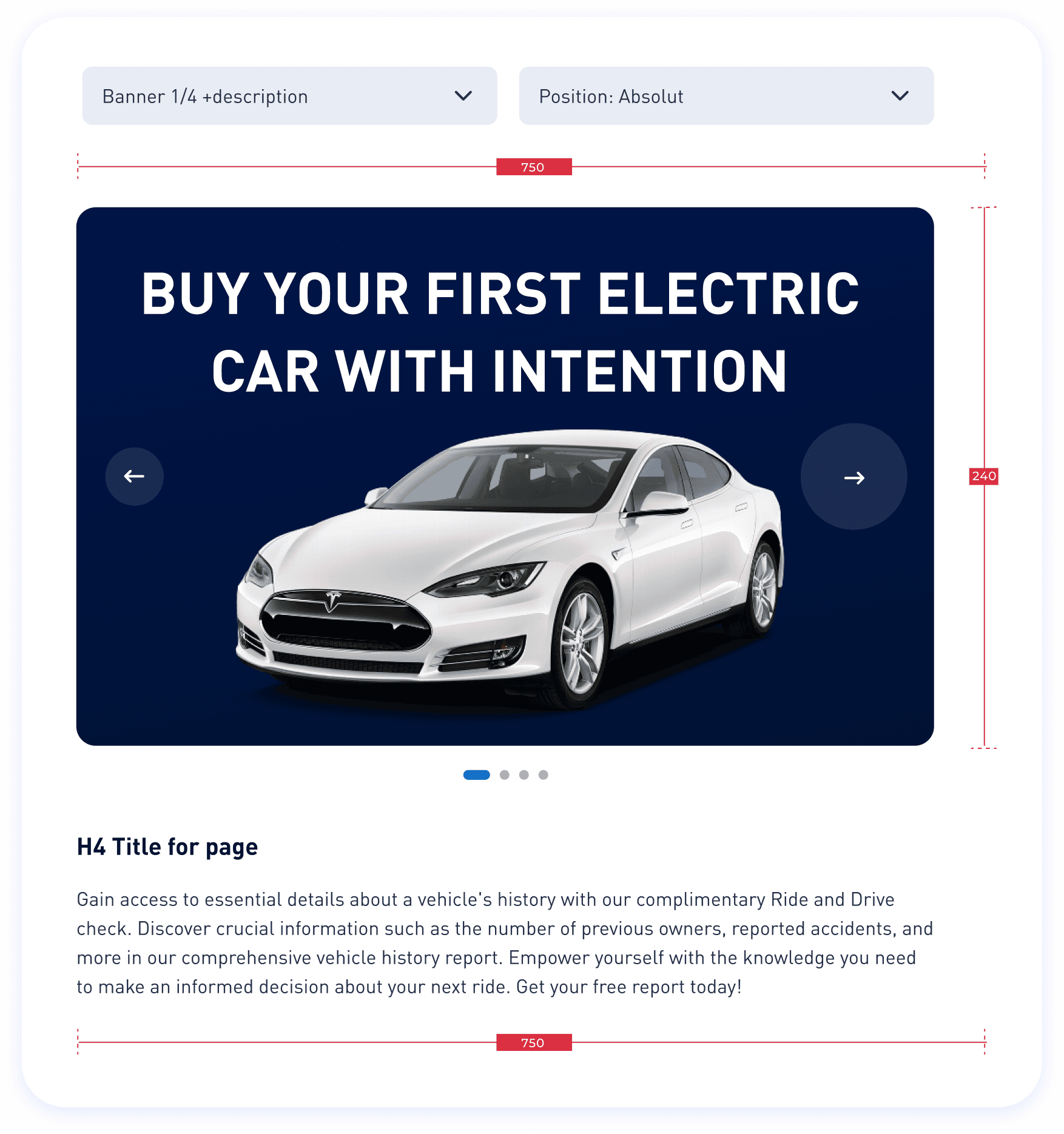
New hypothesis: what if the UI kit became the builder itself?
I took every component — buttons, text blocks, headings, image blocks, banners, carousels — and assembled two real pages from the site using only those components. I talked to developers — feasible. I talked to SEO — we added title, description, image ALT fields directly into the builder.
I presented it to the client. He said: "this is a bomb."
We built it. I handed it to the client with a short instruction. He figured it out on the first try.
01
New location added
trigger
02
Pages auto-generated
automated
03
SEO fields populated
0 clicks
04
Location live
✓ published
01
New location added to contacts
An action fires automatically — all necessary pages for that location are created without any clicks, tickets, or developers.
02
SEO fields built into every block
Title, description, image ALT — managed directly in the builder, not through a separate system.
03
Full independence from developers
Client manages pages, campaigns, and locations without any technical tickets or external dependency.
RESULT — MONTHLY COSTS
$7,000
$0
Full independence. Locations, pages, campaigns managed without developers.
FEATURE 02
Credit automation
The insight came from a personal experience. While designing the platform, I was buying my own car. I sat across from a sales manager who asked me questions one by one — street name, employer, income — and typed everything herself into a bank form. It was 2024.
"I remember thinking: why can't we fill this out ourselves?"
I went back to the project and asked the client: walk me through how a car purchase on credit actually happens. The same manual process, repeated for every single sale — and 90% of all vehicle sales involved financing.
I already knew about Dealer Center's bank API from research. What surprised me: almost nobody was using it for forms. We pulled the documentation and saw it immediately — we could build an online form that customers fill out themselves.
The automated flow
01
Customer fills form
On tablet in showroom or on their own phone — no manager involvement at this stage.
02
Form goes directly to bank API
Dealer Center integration — we were apparently the first to use their API this way.
03
Manager gets new client record
Status visible in admin panel — no manual data entry, just waiting for bank confirmation.
04
Bank responds → auto-update
Customer receives approval or rejection directly. Manager freed for actual sales.
SOLUTION 1
New users
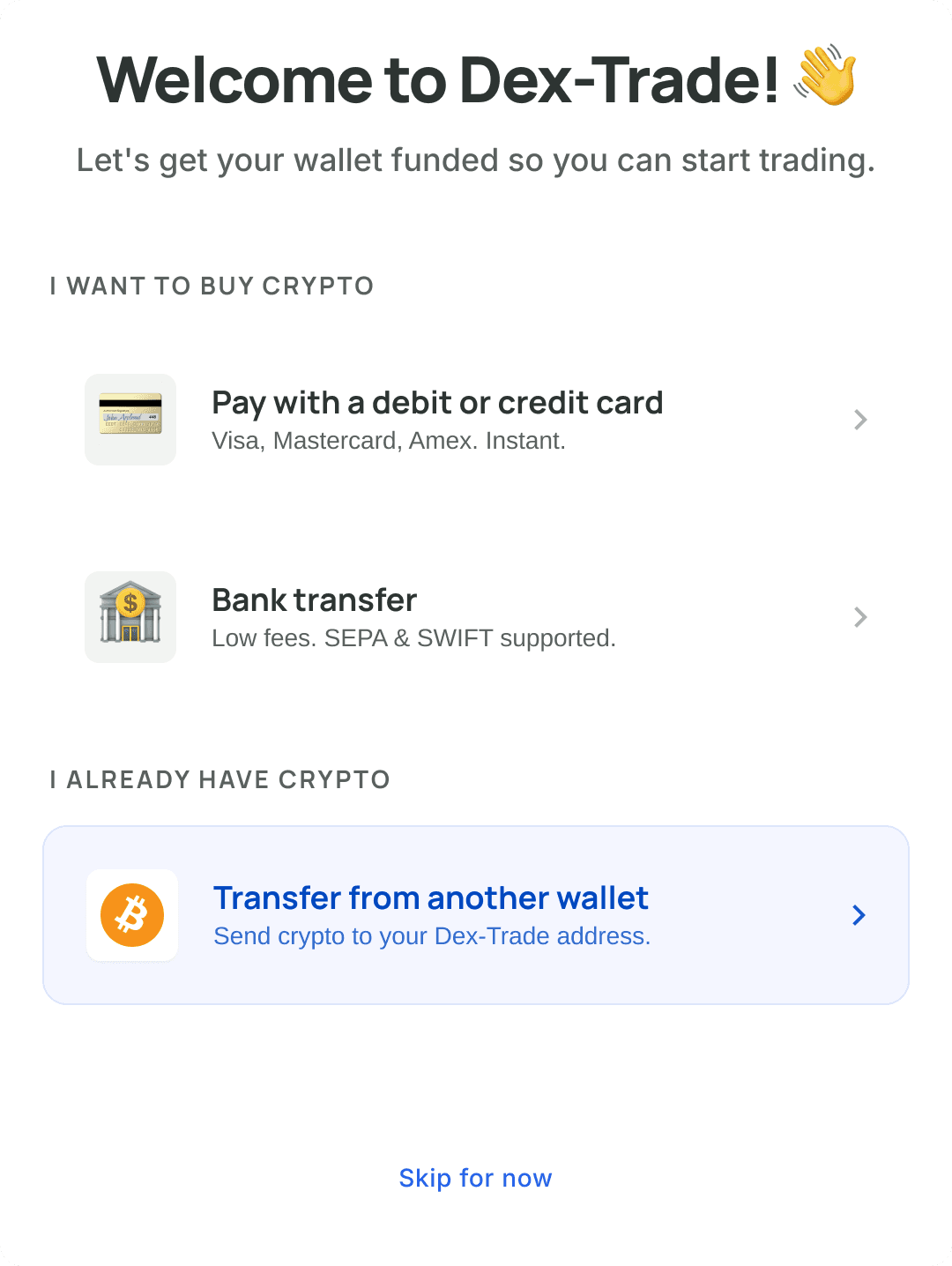
One screen added immediately after registration — three deposit options (card, bank transfer, crypto), skippable, with a clear explanation of value. Not a hard gate — an invitation.
NEW USER REGISTRATION → MADE A DEPOSIT
11.3%
27.8%
First-time deposit rate. One screen added after registration — three deposit options, skippable, with a clear explanation of value.
SOLUTION 2
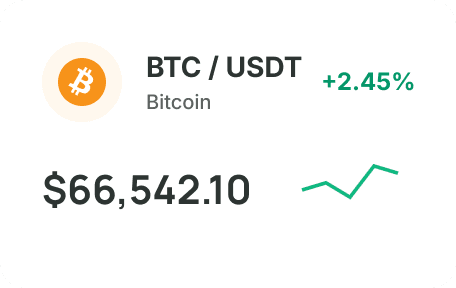
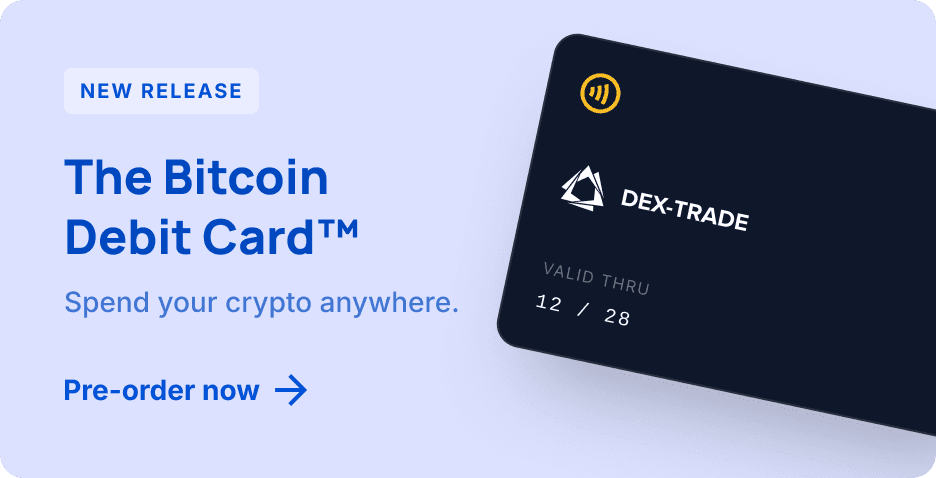
New users
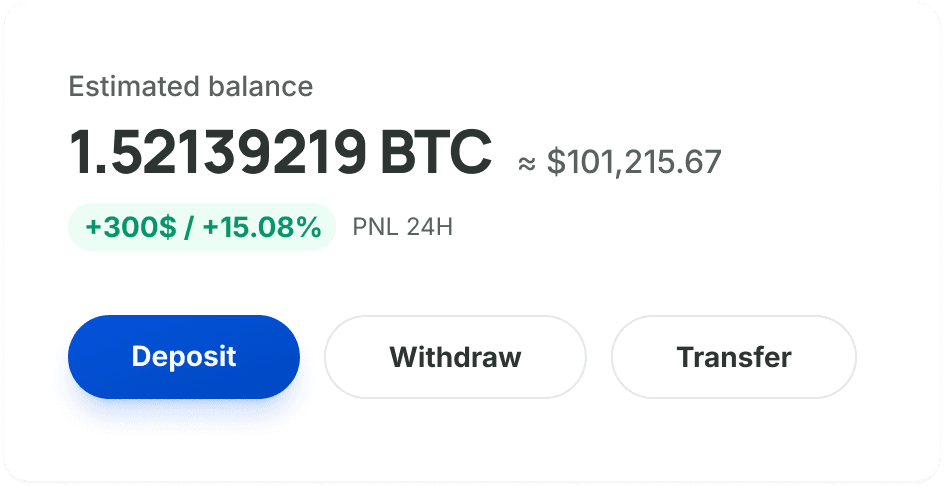
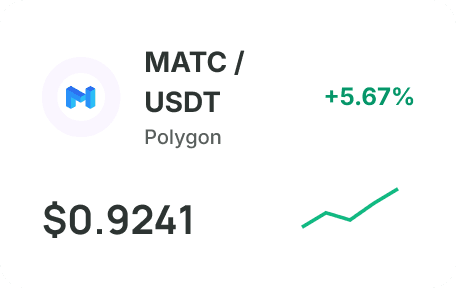
A dashboard showing wallet balance, top exchange features, latest listings, referral link, open trading positions. All entry points in one place instead of scattered navigation.
After launch, users landed on the dashboard instead of the homepage. But overall engagement with exchange features didn't grow meaningfully — the metric fluctuated within 3%.
INACTIVE USER DASHBOARD
~3% reactivation
But the marketing banner had a 70% click rate among visitors who saw it. The dashboard didn't change habits — but the interruption worked.
The insight wasn't about navigation — it was about behavior. Users find the feature they need and return to it directly. Changing the path doesn't change the habit."
— Insight from the dashboard experiment
PROBLEM 03
Listing automation
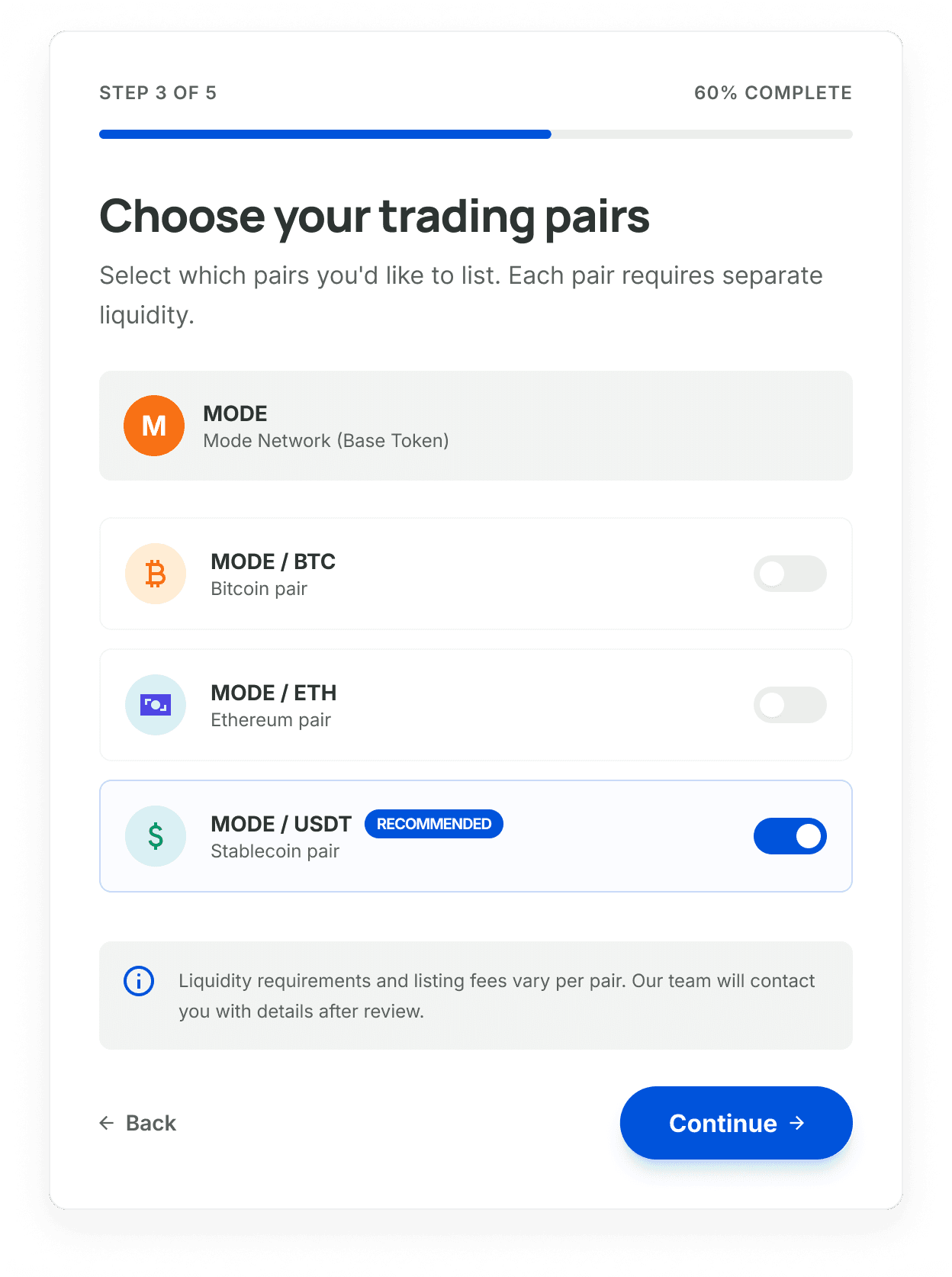
The exchange listed new cryptocurrencies through direct back-and-forth between sales managers and token project teams. Weeks of emails, negotiations, document exchange. Manual, slow, unscalable.
I worked with the sales team and marketing to map the full listing process — every step, every bottleneck, every document. Then designed an automated flow: token projects apply directly through a structured form, submit required documents, go through verification, get listed.
Sales team reviews and approves — without managing individual conversations.
NEW USER REGISTRATION SCREEN
Weeks
1 day
End-to-end listing time. Fully automated from application to verification to approval.
WHAT I LEARNED
01
Simple interventions beat complex ones. A progress bar and friendlier copy cut KYC drop-off by 70%. One screen after registration doubled deposit conversion.
02
Honest results matter more than good-looking ones. The dashboard had low reactivation — but revealed a real insight about habit and interruption that changed how I think about onboarding.
03
A design system isn't a deliverable — it's infrastructure. Without it, nothing that came after would have been possible at the pace we moved.